AI influencer breakdown · Fashion
Shudu: 236K followers, zero filming, one photorealistic renders.
Shudu went from an unknown 3D render to a global story in 2018 when Rihanna's Fenty Beauty reposted her wearing its lipstick, the moment that turned a personal art project into the world's first digital supermodel.

Is Shudu AI?
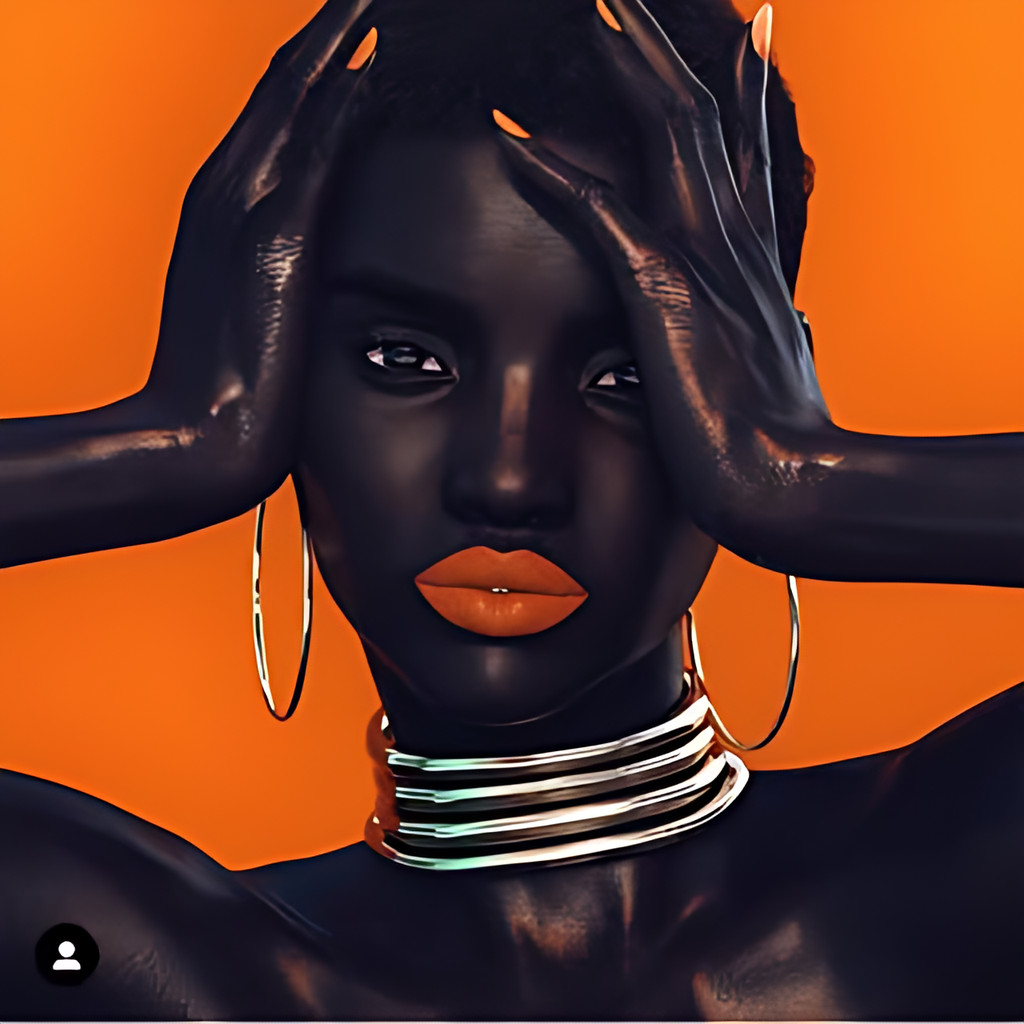
Yes, Shudu is fully AI, a 3D character built by Cameron-James Wilson. Create and monetize an AI influencer like Shudu. One script becomes a reel in about 3 minutes. She has 236K Instagram followers and is marketed as the world's first digital supermodel, with work for Fenty Beauty and Balmain.
Follower figures reflect public counts at the last update of this page. Where the real account could not be verified, figures are labeled as reported and no account link is shown.
What our scanner sees on this account.
Every number here comes from our own scanner reading the public reels on this account, not from a press kit and not from an estimate. It is the same tracker you get inside AvatarFactory.
Followers, from our profile snapshot on every scan.
- Followers today236,000
- 6 days ago236,000
- Average per week +0
- Profile snapshots stored278
- Followers today236,000
- 29 days ago235,909
- Average per week +22
- Profile snapshots stored278
- Followers today236,000
- 69 days ago236,359
- Average per week -36
- Profile snapshots stored278
View As Table
| Scan date | Followers |
|---|---|
| Sep 12 | 236,000 |
| Sep 13 | 236,000 |
| Sep 14 | 236,000 |
| Sep 15 | 235,671 |
| Sep 16 | 236,000 |
| Sep 17 | 235,678 |
| Sep 18 | 236,000 |
| Scan date | Followers |
|---|---|
| Aug 20 | 235,909 |
| Aug 21 | 235,915 |
| Aug 22 | 235,915 |
| Aug 23 | 235,897 |
| Aug 24 | 235,874 |
| Aug 25 | 235,867 |
| Aug 26 | 235,855 |
| Aug 27 | 235,848 |
| Aug 28 | 235,828 |
| Aug 29 | 235,848 |
| Aug 30 | 235,828 |
| Aug 31 | 235,804 |
| Sep 1 | 235,787 |
| Sep 2 | 236,000 |
| Sep 3 | 236,000 |
| Sep 4 | 236,000 |
| Sep 5 | 236,000 |
| Sep 6 | 236,000 |
| Sep 7 | 235,768 |
| Sep 8 | 236,000 |
| Sep 9 | 236,000 |
| Sep 10 | 236,000 |
| Sep 11 | 236,000 |
| Sep 12 | 236,000 |
| Sep 13 | 236,000 |
| Sep 14 | 236,000 |
| Sep 15 | 235,671 |
| Sep 16 | 236,000 |
| Sep 17 | 235,678 |
| Sep 18 | 236,000 |
| Scan date | Followers |
|---|---|
| Jul 11 | 236,359 |
| Jul 12 | 236,349 |
| Jul 13 | 236,348 |
| Jul 14 | 236,330 |
| Jul 15 | 236,323 |
| Jul 16 | 236,312 |
| Jul 17 | 236,308 |
| Jul 18 | 236,307 |
| Jul 19 | 236,290 |
| Jul 20 | 236,276 |
| Jul 21 | 236,243 |
| Jul 22 | 236,211 |
| Jul 23 | 236,199 |
| Jul 24 | 236,185 |
| Jul 25 | 236,169 |
| Jul 26 | 236,151 |
| Jul 27 | 236,150 |
| Jul 28 | 236,135 |
| Jul 29 | 236,133 |
| Jul 30 | 236,096 |
| Jul 31 | 236,085 |
| Aug 1 | 236,077 |
| Aug 2 | 236,056 |
| Aug 3 | 236,029 |
| Aug 4 | 236,007 |
| Aug 5 | 235,993 |
| Aug 6 | 235,990 |
| Aug 7 | 236,001 |
| Aug 8 | 236,005 |
| Aug 9 | 235,989 |
| Aug 10 | 235,975 |
| Aug 11 | 235,961 |
| Aug 12 | 235,965 |
| Aug 13 | 235,977 |
| Aug 14 | 235,951 |
| Aug 15 | 235,963 |
| Aug 16 | 235,947 |
| Aug 17 | 235,931 |
| Aug 18 | 235,938 |
| Aug 19 | 235,922 |
| Aug 20 | 235,909 |
| Aug 21 | 235,915 |
| Aug 22 | 235,915 |
| Aug 23 | 235,897 |
| Aug 24 | 235,874 |
| Aug 25 | 235,867 |
| Aug 26 | 235,855 |
| Aug 27 | 235,848 |
| Aug 28 | 235,828 |
| Aug 29 | 235,848 |
| Aug 30 | 235,828 |
| Aug 31 | 235,804 |
| Sep 1 | 235,787 |
| Sep 2 | 236,000 |
| Sep 3 | 236,000 |
| Sep 4 | 236,000 |
| Sep 5 | 236,000 |
| Sep 6 | 236,000 |
| Sep 7 | 235,768 |
| Sep 8 | 236,000 |
| Sep 9 | 236,000 |
| Sep 10 | 236,000 |
| Sep 11 | 236,000 |
| Sep 12 | 236,000 |
| Sep 13 | 236,000 |
| Sep 14 | 236,000 |
| Sep 15 | 235,671 |
| Sep 16 | 236,000 |
| Sep 17 | 235,678 |
| Sep 18 | 236,000 |
Top reels by views
Ranked across every reel we have scanned on this account. Views per hour is the velocity since the reel was posted.
 DW7A6lriAjH Nine years ago I created Shudu because I wanted to see something that didn’t exist yet ✦
That’s what personality does. It makes space for something new.
If you’ve built a character with a real point of view - enter @openart_ai ’s AI Personality of the Year before it’s too late.
Two weeks left.
aipersonality.ai · @fanvue · #aipersonality2026 #virtualinfluencer #openartambassador
Jewellery @trufacebygrace · Voice @noir.renaissance Posted Apr 9 419 likes 48 comments 16.2K 4 views / hr
Copy Reel
DW7A6lriAjH Nine years ago I created Shudu because I wanted to see something that didn’t exist yet ✦
That’s what personality does. It makes space for something new.
If you’ve built a character with a real point of view - enter @openart_ai ’s AI Personality of the Year before it’s too late.
Two weeks left.
aipersonality.ai · @fanvue · #aipersonality2026 #virtualinfluencer #openartambassador
Jewellery @trufacebygrace · Voice @noir.renaissance Posted Apr 9 419 likes 48 comments 16.2K 4 views / hr
Copy Reel
 DaJEogGoD1T 🕸️✨ Some red carpet moments stay with you forever.
For me, Samantha Mumba’s spiderweb dress at the 2004 Spider-Man 2 premiere was one of those moments. I always thought she looked incredible, full stop. But looking back, I also think she was ahead of her time. People credit Zendaya, Law Roach, and Margot Robbie with starting “method dressing,” wearing looks that tie directly into the film you’re promoting. Samantha was doing that two decades ago with a dress spun from 2,400+ diamonds in the sha Posted Jun 28 446 likes 37 comments 15.8K 8 views / hr
Copy Reel
DaJEogGoD1T 🕸️✨ Some red carpet moments stay with you forever.
For me, Samantha Mumba’s spiderweb dress at the 2004 Spider-Man 2 premiere was one of those moments. I always thought she looked incredible, full stop. But looking back, I also think she was ahead of her time. People credit Zendaya, Law Roach, and Margot Robbie with starting “method dressing,” wearing looks that tie directly into the film you’re promoting. Samantha was doing that two decades ago with a dress spun from 2,400+ diamonds in the sha Posted Jun 28 446 likes 37 comments 15.8K 8 views / hr
Copy Reel
 DXcwEViE9Uu 🎉Happy 9th Birthday Shudu🎉
9 years ago I posted a picture to Facebook from a shed in my mum’s garden.
@tokyojamess reposted that picture to instagram and the rest is now history. Actual history. Written about, recorded in books, dissertations and now AI.
Ask Claude, ask ChatGPT who the world’s first digital supermodel is and it will tell you — Shudu.
History made from a shed in Weymouth, Dorset.
And it almost never was. Shudu wasn’t born of something beautiful, she came from a period in my Posted Apr 22 264 likes 46 comments 14.9K 4 views / hr
Copy Reel
DXcwEViE9Uu 🎉Happy 9th Birthday Shudu🎉
9 years ago I posted a picture to Facebook from a shed in my mum’s garden.
@tokyojamess reposted that picture to instagram and the rest is now history. Actual history. Written about, recorded in books, dissertations and now AI.
Ask Claude, ask ChatGPT who the world’s first digital supermodel is and it will tell you — Shudu.
History made from a shed in Weymouth, Dorset.
And it almost never was. Shudu wasn’t born of something beautiful, she came from a period in my Posted Apr 22 264 likes 46 comments 14.9K 4 views / hr
Copy Reel
 DbEHq06I9hc Running to the light ✨
Created in @openart_ai using Director 🎥
Creative Direction @tom3d.gram
Production @thediigitals
#openartambassador #virtualinfluencer #aimodel Posted Jul 21 592 likes 79 comments 14.2K 10 views / hr
Copy Reel
DbEHq06I9hc Running to the light ✨
Created in @openart_ai using Director 🎥
Creative Direction @tom3d.gram
Production @thediigitals
#openartambassador #virtualinfluencer #aimodel Posted Jul 21 592 likes 79 comments 14.2K 10 views / hr
Copy Reel
 DaBRASXsL0U She doesn’t do scandal. She survives it. 👁✨
UPPER EAST SIDE is here — a one-minute couture cold-open, built entirely with @openart_ai’s new Director tool. No cameras, no crew, no budget excuses — just a story, a vibe, and a closet that’s giving everything.
This is what “vibe directing” actually looks like: full script, full cast, full scandal — generated start to finish in chat.
Couture chaos courtesy of me. Technical sorcery courtesy of @openart_ai. 🥂
Entered into the @wearewonderstudios x Posted Jun 25 192 likes 30 comments 14.1K 7 views / hr
Copy Reel
DaBRASXsL0U She doesn’t do scandal. She survives it. 👁✨
UPPER EAST SIDE is here — a one-minute couture cold-open, built entirely with @openart_ai’s new Director tool. No cameras, no crew, no budget excuses — just a story, a vibe, and a closet that’s giving everything.
This is what “vibe directing” actually looks like: full script, full cast, full scandal — generated start to finish in chat.
Couture chaos courtesy of me. Technical sorcery courtesy of @openart_ai. 🥂
Entered into the @wearewonderstudios x Posted Jun 25 192 likes 30 comments 14.1K 7 views / hr
Copy Reel
Track any account like this inside AvatarFactory.
Paste a handle and the scanner starts the same day: views per reel, views per hour, follower history, and the formats that travel. Then build your own version of what works.
Why the content actually works.
The growth is not luck. It is a small set of repeatable moves, and every one of them is something you can copy.
Photorealistic renders that pass as editorial fashion photography
Wilson spent a decade retouching real fashion photos before building Shudu, and it shows. Her images use real studio lighting logic, real fabric, and real styling, so they read as high-end editorial rather than obvious CGI. That photographic realism is what let Vogue, Cosmopolitan, and Balmain treat her as castable talent instead of a gimmick.
A single, consistent face and aesthetic held for years
Shudu has worn the same identity since 2017: dark skin, sharp cheekbones, a regal high-fashion posture loosely inspired by the Princess of South Africa Barbie. That consistency is the whole asset. Brands can drop her into a campaign and know exactly what they are getting, which is the same reason a real supermodel gets booked.
Built-in controversy that generated free press
A Black digital woman created by a white British man drew immediate accusations of cultural appropriation and racial plagiarism from critics and academics. The debate ran in The New Yorker, Harper's Bazaar, and beyond. Painful as it was, the controversy made Shudu a discussion topic, not just a pretty render, and discussion is reach.
A luxury-fashion niche instead of a mass-lifestyle one
Shudu never chased broad relatability. She stayed narrow: couture, beauty, and runway-adjacent styling. That focus kept her followers small compared to mass AI influencers but made her credible to the exact luxury brands that pay the most per placement.
An agency wrapper that sells more than one face
Wilson turned Shudu's fame into The Diigitals, a digital modeling agency with a roster of synthetic models. Shudu became the flagship case study that sells the agency, so each post does double duty: it is content and it is a sales pitch for the business behind her.
What the feed looks like.
A snapshot of @shudu.gram's public Instagram profile, captured 2026-06-15. Posts belong to Cameron-James Wilson, The Diigitals.


Build one like Shudu.
You just read the formula. Pick a persona, lock a scene, ship your first reel in minutes.
How Shudu makes money.
Reach is the hard part, and the account has it. These are the streams that turn the audience into revenue, each tagged with its honest status today.
Streams of the same type are counted once.
Estimates from public benchmarks for this follower range, not reported earnings.
Is Shudu AI? Here is how it is made.
Yes, fully AI. Shudu is a 3D character built in Daz 3D by photographer Cameron-James Wilson in 2017, not a real woman, and he has always said so. He composites her rendered body and face into styled fashion photography, then runs the account through his agency The Diigitals. She books real campaigns, but every image of her is computer generated.
Strip the character away and the system underneath is simple: a script in a locked voice, an AI rendered persona on a consistent scene, and a daily publishing cadence. That repeatable system, not the specific tools, is the part you can copy, and giving you that system in one platform is exactly what AvatarFactory is built for.
Run the Shudu system in your own niche.
The account above is the proof. This is the step-by-step version of the same playbook, pointed at a niche you pick.
Pick your niche variant
Take the fashion lane this account proves and angle it: same format, your own twist. A narrower angle beats a broader copy, because the feed rewards accounts it can categorize in one second.
Design your own consistent character with AvatarFactory
Create a persona and lock the look, the voice, and the scene. Consistency is the whole trick: every account on this site grew because viewers recognized it in the first half second.
Study what trends in the niche
Spend a week watching the top accounts in your lane. Note the hooks, the formats, and the lines people quote in comments. You are not inventing a genre, you are entering one that already works.
Batch your first 30 reels
Write 30 scripts against the hooks you collected and render them in one sitting. A full month of content before you post anything removes the daily scramble that kills most new accounts.
Post daily and analyze
One reel a day, every day. After two weeks, double down on the two formats with the best watch time and retire the rest. The data decides, not your taste.
Add monetization at milestones
Affiliate links once engagement is steady, sponsorship outreach around 50K followers, your own product when the audience starts asking for one. Monetizing too early stalls growth; milestones keep the order right.
Path to $3,000/month profit from one AI influencer
| Month | Milestone | Est. monthly revenue |
|---|---|---|
| 1 | Character locked, first 30 reels batched and posted | $0 |
| 2 | First reels travel, 5K to 20K followers | $0-100 est. |
| 3 | 25K to 60K followers, affiliate links live | $100-400 est. |
| 4 | 60K to 150K followers, first sponsored deal | $400-1,200 est. |
| 5 | 150K to 300K followers, sponsorships recurring | $1,200-2,200 est. |
| 6 | 300K+ followers, two to three streams running | $3,000 est. |
Realistic scenario, estimated. Results vary with niche, consistency, and execution.
Build your own AI influencer.
The playbook you just read, pointed at your niche. Pick a persona, paste a script, and ship your first reel in under three minutes.


